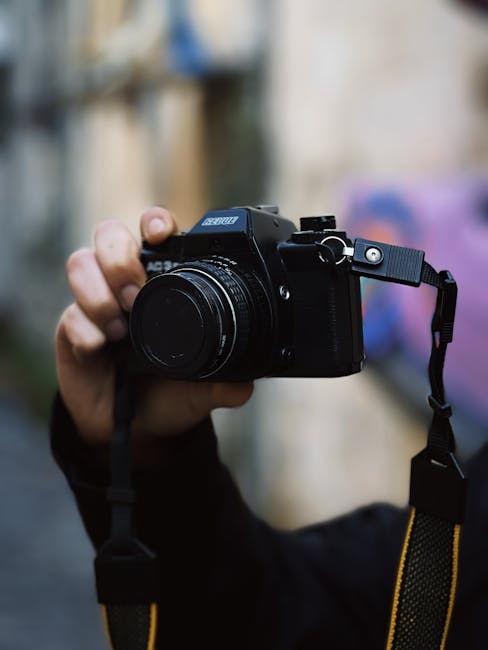
Rejoice Vida

Slow walks around the neighborhood

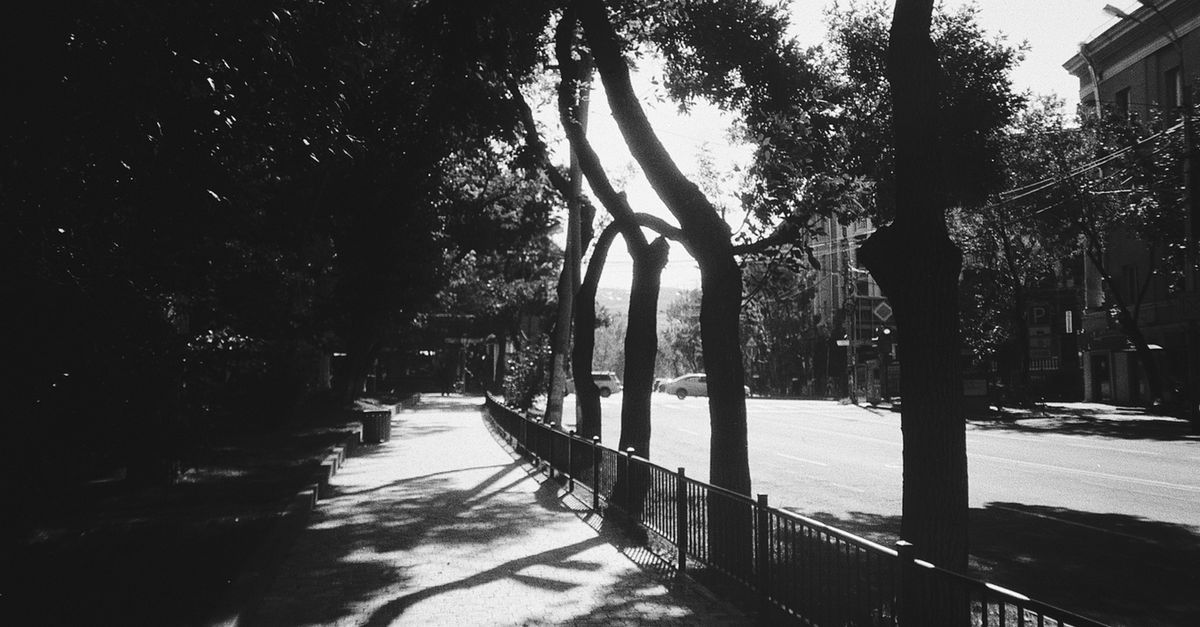
Tree-lined street with sidewalk and shadows at dusk, seen from the eye level of a person walking
Sidewalk with tree shade, mid-afternoon.

The series came from something simple: going out to walk for twenty or thirty minutes along streets I already know, without headphones and without counting steps. The only rule is to go slowly. There is no marked route or arrival point. It is about noticing what is usually overlooked when you are in a hurry: a gate with plants, an empty bench, a door with peeling paint, the sound of a shutter coming down.

The photos were taken on foot, with the camera at eye level, without setting anything up. Wide framing, mid-afternoon light, softly colored facades. The idea is not to show the neighborhood as an attractive place to visit, but to record how an everyday route looks when you decide to slow down. Nothing more.

What to look at during the walk

There is no list of things to photograph. But over time, some details worth noticing repeat: the shadow a tree leaves on the sidewalk, a pot hanging on a balcony, a cat stretched out in the sun on a railing, the passing of someone in comfortable shoes. The idea is to notice just one detail per outing. A door, a smell, a sound. To come back with one saved image and nothing more.

The walks do not seek any physical benefit or replace any other practice. They are simply a way of moving without a goal for a while. In a city that pushes you to hurry, walking slowly ends up being an odd and useful gesture at the same time.

How the series is sustained

Each outing lasts between twenty and thirty minutes and is done on foot, without rushing. A time of low light is chosen, almost always mid-afternoon, and a familiar area is covered without planning the route. The camera is carried in the hand, not in the backpack. The photos are not corrected beyond a minimal exposure adjustment. What appears is what was there.

The series remains open. Routes are added as they appear, always through nearby streets and always without a fixed destination. If you want to see the other series in the gallery, they are gathered in projects. And if any of this helps you try a walk this week, all it takes is stepping outside and looking around.
What is included and what is left out of this series

It is not a route guide

Slow walks around the neighborhood do not propose tourist circuits or maps with mandatory stops. There is no correct route or minimum distance to complete. If a block invites you to stop and look at a fence with plants, that pause also counts as part of the walk.

Walking is not training

Here, steps, calories, and heart rate are not measured, and no health effect is promised. The instruction is different: go out without headphones, walk slowly, and notice a single detail along the way. What each person does with that observation is beyond what this series can address.

The photos are of the neighborhood, not of a famous place

The images capture sidewalks shaded by trees, cats in the sun, flower pots on balconies, and the facades of old buildings. They do not point to an exact address or a point of interest. Any resemblance to a specific corner is a coincidence of mid-afternoon light, not a recommendation to visit.

One idea per outing, not a to-do list

The idea is simple: choose one detail from the walk, keep it, and come back. There is no need to record everything that appears or fill out a field notebook. If nothing is remembered the next day, the walk still served as a pause and there is nothing to correct.

No promises about mood

The series suggests that moving without a goal can slow the mental pace, but that is an editorial impression, not a guaranteed result. Each person walks their own neighborhood, with their own tiredness and their own schedule. The only thing that holds is the invitation to go slowly.

Rejoice Vida

Editorial space and visual gallery

Slow walks around the neighborhood

Walks with no fixed destination, camera in hand. Heading out without rushing and coming back with a saved image.

Tree-lined street with a sidewalk and shadows at dusk, seen from the height of a person walking
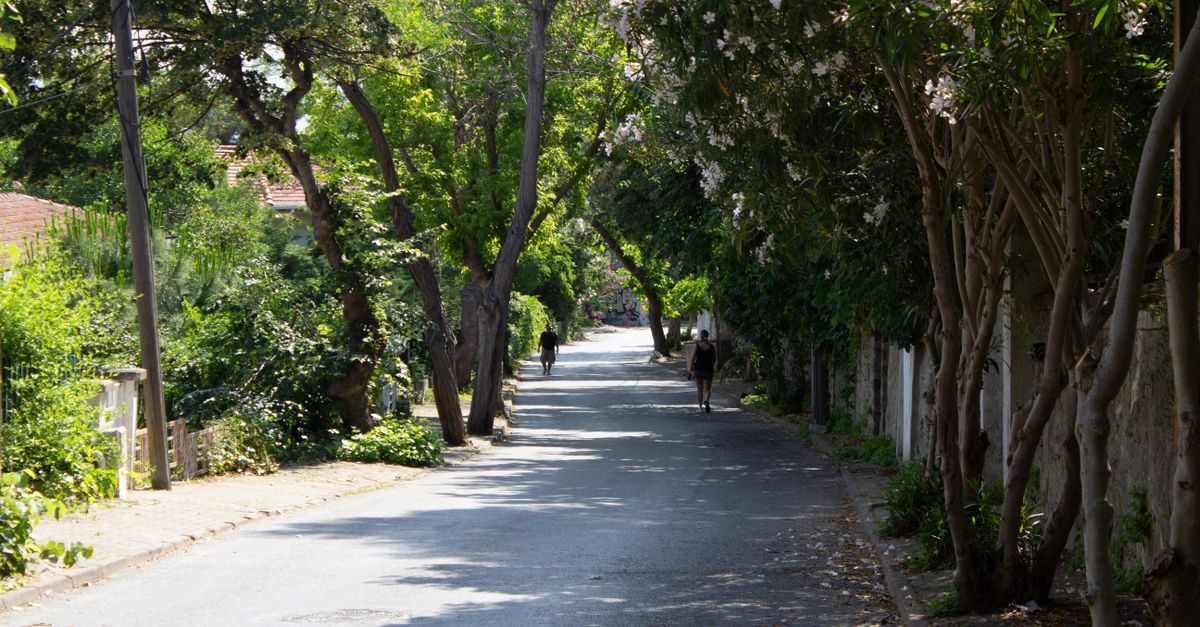
Sidewalk with tree shade and a fence with plants along the side

Shaded sidewalks

The stretch almost no one looks at: the shadow a tree leaves on the concrete, the raised tiles, the edge where weeds grow. Walking slowly makes visible that layer that gets lost when you're in a hurry.

Facade of an old building with balconies and flower pots

Fronts and balconies

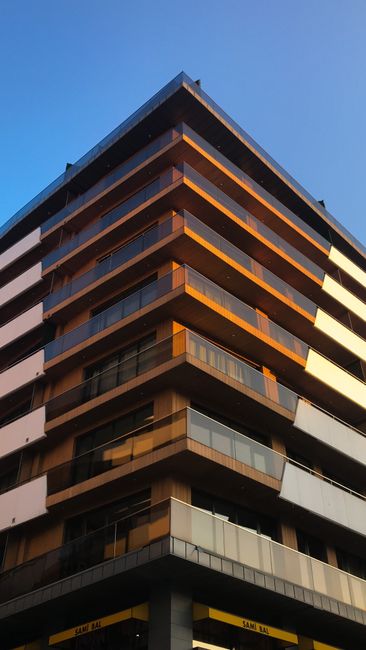
Old facades hold details that only appear if you stop: worn moldings, hanging flower pots, a blind half lowered. The series isn't after the perfect postcard, but rather recording what is there every day.

Empty bench in a neighborhood square in the mid-afternoon

A bench, mid-afternoon

Mid-afternoon light changes the mood of any corner. An empty bench, someone walking by in comfortable shoes, the distant noise of the street. None of that is a destination: it's what appears when you go without rushing.

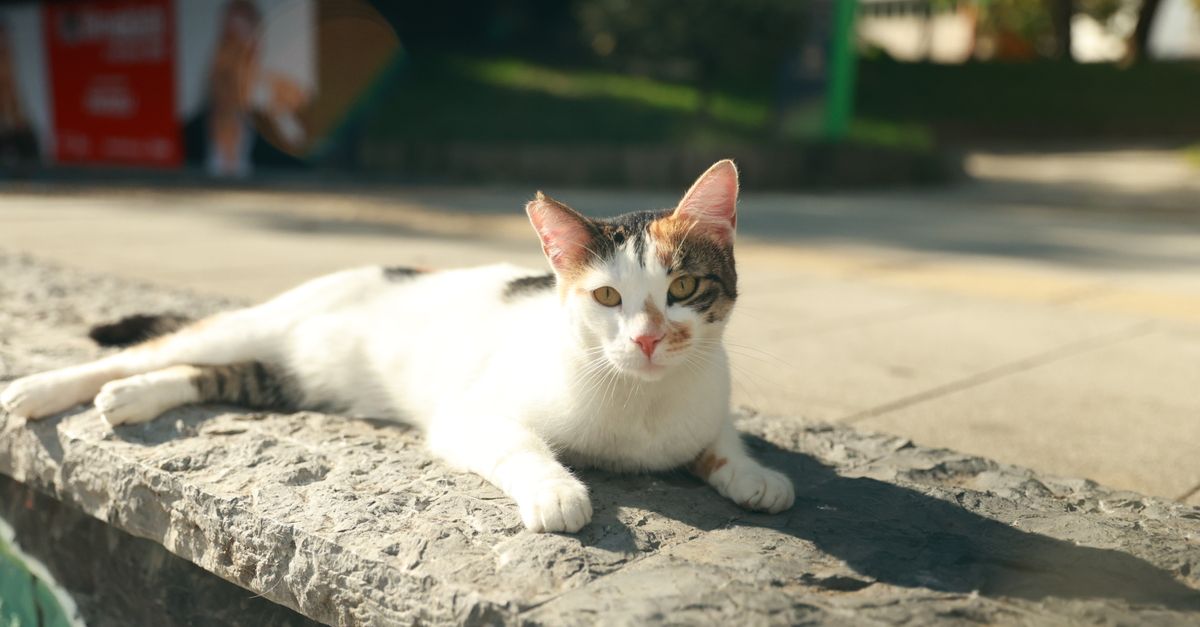
Cat in the sun on a sidewalk next to a light-colored wall

Cats in the sun

They appear where you least expect them: on a warm wall, under a car, on a doorstep. They are part of the slow route, like the flower pots or the smell of bread a block earlier.

Person walking slowly along a neighborhood street with a camera in hand

No headphones, no counting steps

The only rule is to go slowly. Twenty or thirty minutes through familiar streets, without a map or a tourist route. When you return, it is enough to have noticed a single detail: a door, a smell, a sound you had not registered before.

Cookie settings

We use cookies to keep the site stable, remember basic options, and understand which pages are useful. You can accept, reject, or review the settings before continuing.