Each series starts with the image. The card comes afterward, like a margin note explaining what you are seeing: the time of the light, the type of glaze, the orientation of the window. If you just want to look, that is enough.
You don't need to have a fully formed question. Sometimes you just want to know where a series came from, how a mug card was made, or whether that little corner of calm can be recreated in a small apartment. Write to us and we'll look into it.
If you prefer to go straight to the form, it's on the contact page. You can also write to us at team@rejoiceyourlife.com or call +54 11 5431-7924. The mailing address is Av. Corrientes 1386, Floor 8, Office 802, C1043 Buenos Aires, Argentina, in case you need to send something by mail.
The form only sends a message and displays a technical thank-you page. It does not create accounts, does not generate subscriptions, and does not promise a response time.
It is not a product catalog or a guide with mandatory steps. It is a visual archive you can go through several times and find something different each time: a shadow, a texture, an idea you can try the same day.
Each series starts with the image. The card comes afterward, like a margin note explaining what you are seeing: the time of the light, the type of glaze, the orientation of the window. If you just want to look, that is enough.
The cups, notebooks, and planters in the series are everyday objects, not display pieces. The idea is that what you see resembles what you have on hand, with no shopping lists or corners impossible to set up.
A twenty-minute walk, three lines in a notebook, a corner with low light at the end of the day. No long routines or promises of immediate change. What lasts is what can be repeated without effort.
This space does not offer treatments, therapies, or advice of any kind. It only gathers observations about simple habits and everyday objects. What you do with that idea, and at what pace, is entirely up to you.
The six series are reviewed and expanded when there is new material worth the effort. There is no fixed schedule or planned releases: something is published when an image or an entry adds something concrete to what is already there.
If you want to see how the work behind each series is organized, you can review the editorial guidelines or return to the start of the gallery to choose where to begin.
What you find when you browse the series
Each series in the visual archive is designed so that you come away from it with an idea you can apply that same week. There is no closed method and no required steps: there are images of real objects, short notes, and an invitation to try something small in your own home.
The shots are taken with natural window light, with no retouching that erases imperfections. You will see coffee stains on a notebook, dust suspended over the table, and the uneven rim of a cup. That makes it possible to look at the object as it is in daily use, not as it appears in a catalog.
Each object or habit has its own note: what material it is made of, how much it weighs in the hand, how it behaves with use, what detail is worth observing before choosing a similar one. They are brief notes, written to be read in two minutes and returned to when needed.
The series show notebooks with scattered dates, walks picked up again after weeks, and plants that survive irregular watering. The idea is that a simple ritual holds up on the days when you don't feel like it, instead of breaking at the first slip.
No series proposes renovations or big purchases. A chair by the window, a folded blanket, a warm lamp, and twenty minutes without screens are enough to set up a pause point. The photos show how that corner changes depending on the time of day.
In the plant series, notes are kept on how much indirect light each corner receives, how often it is watered, and what signals the leaves give when something is missing. No mandatory species lists or ideal garden: just observation of what grows in small spaces.
The spacious gallery grid leaves air between one image and the next. You can enter through the series that calls to you and leave whenever you want, with no imposed order. If something is useful to you, save it; if not, move on to the next one without guilt.
If you want to understand how each series is put together and what criteria are used to choose the images, you can read how we work the visual archive or return to the main page to see the complete set.
The visual archive of Rejoice Vida is arranged into six thematic series. Each one gathers natural images of objects, window light, and domestic corners, with a brief note that records what is seen: how the shadow falls, how a cup sounds when set down, how much light a corner with plants receives. There is no method to follow and no required steps. It is about moving through calmly and keeping one concrete idea to try this same week.

Photo series about the first part of the day
The series gathers shots taken in east-facing kitchens and dining rooms, where the light changes tone every few minutes. Attention is paid to the shadows left by the cups, the folds of the tablecloth, and the dust suspended in the air. It does not seek a perfect scene, but rather to record that stretch of time when the house is still silent and the day begins without hurry.
View the series

Open pages, ink, and worn margins
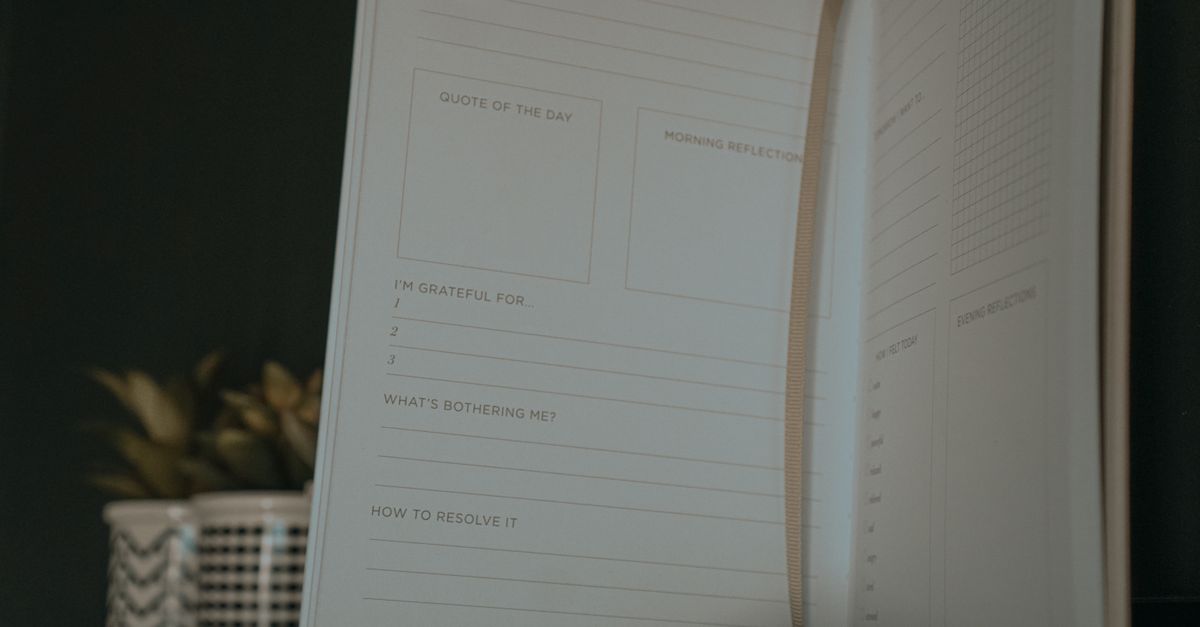
Each notebook has its own rhythm: some are dated, others hold just a loose line, and others include tiny drawings in the margin. The series shows how writing coexists with coffee stains, saved tickets, and folded pages. The idea is not to teach a method, but to show that jotting down something brief at the end of the day can be sustained for months without becoming an obligation.
View the series

Walks with no fixed destination, camera in hand
The walks are done without headphones and without counting steps, with the only rule being to go slowly. The photos capture shaded sidewalks, cats in the sun, flower pots on balconies, and the facades of old buildings. The series suggests that moving without a goal can be a simple way to slow down the mind, even in a city that pushes you to hurry.
View the series

Records of objects used every day
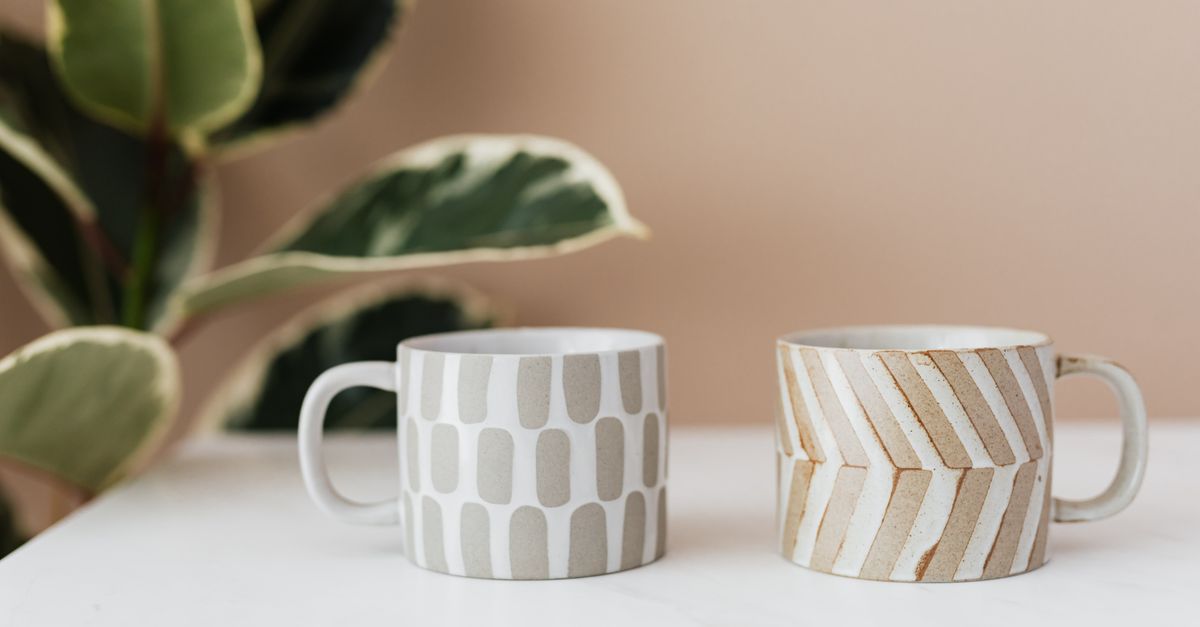
Each entry describes a specific cup: how it feels to hold, whether it keeps the heat, whether the rim is thin or thick, how it sounds when set down. It talks about the glaze, the small irregularities from the wheel, and the marks that appear with use. The intention is to look more closely at an object used every day that is almost never observed.
View the series
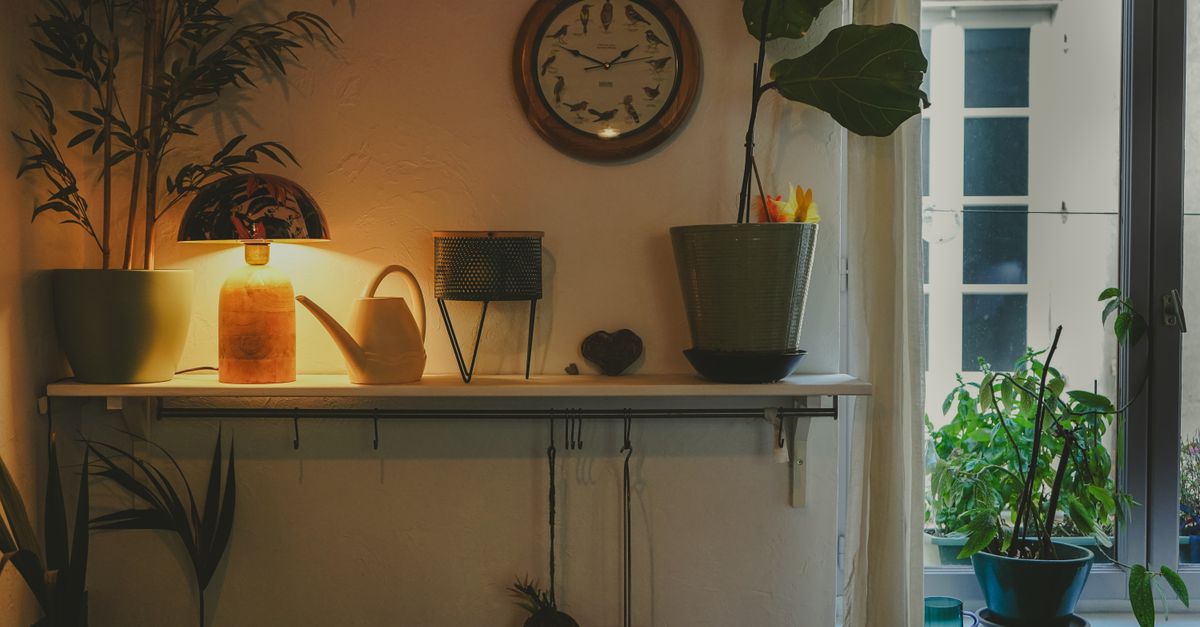
Corners of a home where something green grows
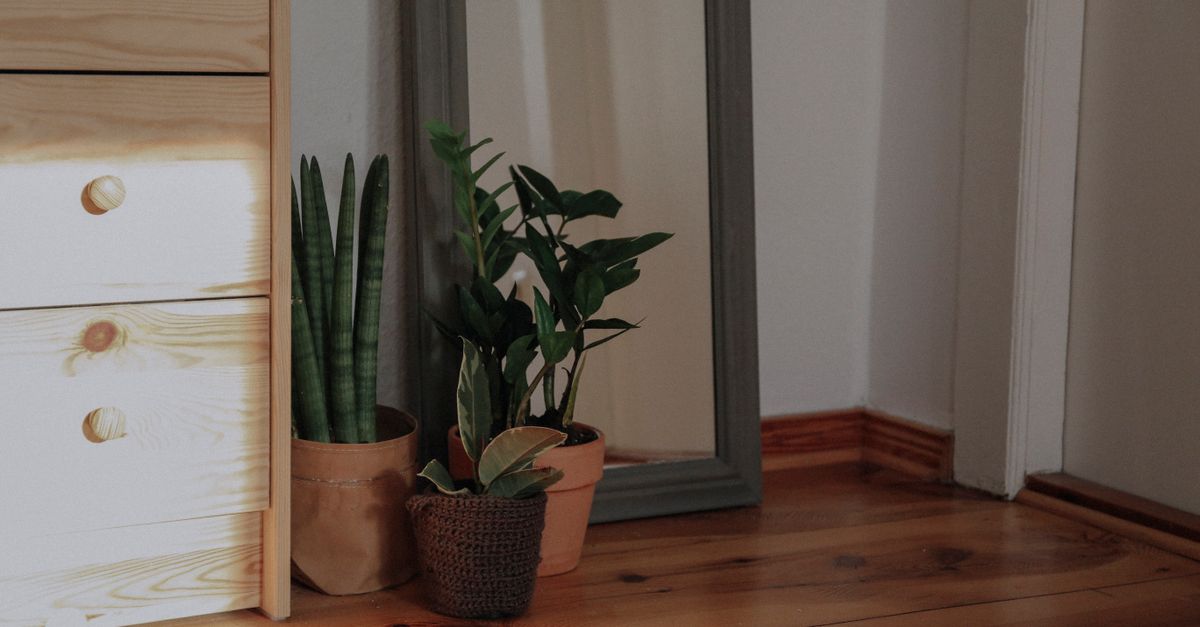
The series gathers corners where ferns, pothos, snake plants, and an occasional monstera live together. Practical details are noted: how much light each corner receives, how often it is watered, what signs the leaves show when something is missing. There is no ideal garden or list of mandatory species, only the observation of how a plant changes the mood of a room.
View the series
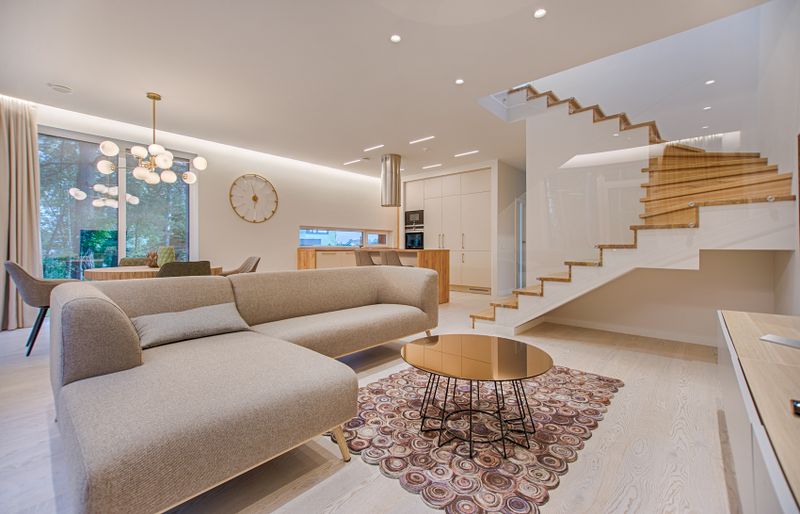
Chairs, blankets, and low light at the end of the day
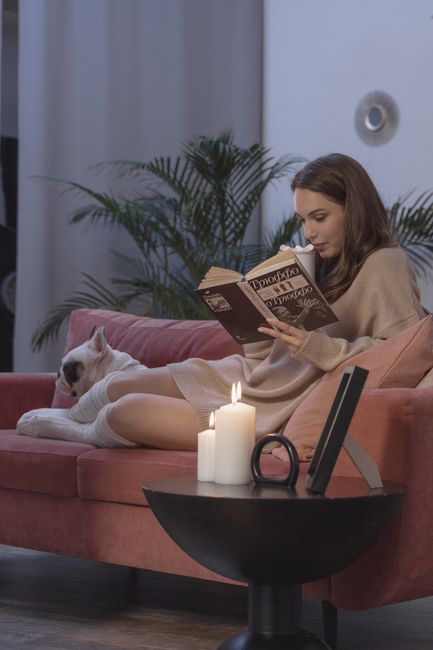
The corners that appear in the series don't require renovations or new furniture: it's enough to clear a corner, add a warm light, and leave something to read. The photos show how that spot looks at different times of day and what changes when the phone is turned off. The idea is simple: set aside a spot in the home to do nothing for a while.
Watch the seriesEach series can be explored on its own. If one leaves you with an idea turning over in your mind, you can write to us from the contact page and tell us which one it was.
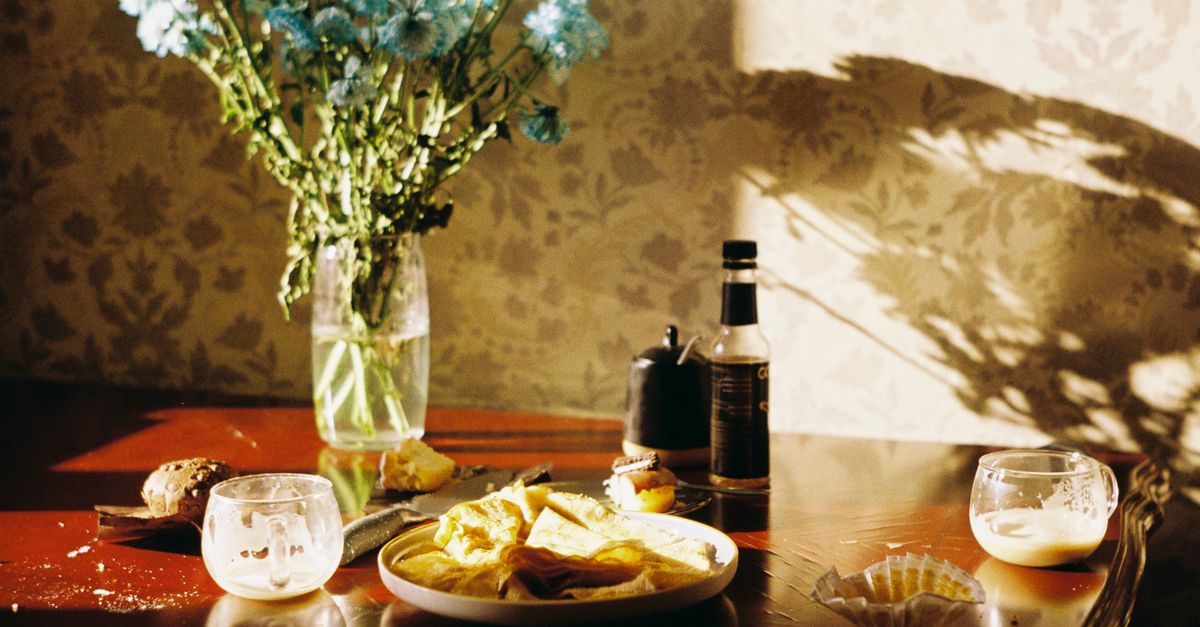
Photo series and records of everyday objects
A series that observes how light comes through the window between seven and nine in the morning. The shots were taken in east-facing kitchens and dining rooms, where the tone changes every few minutes. Attention is paid to the shadows left by cups, the folds of the tablecloth, and the dust suspended in the air. It does not seek a perfect scene, but rather to record that stretch of time when the house is still silent.
Each notebook has its own rhythm: some are dated, others hold only a loose line, others include tiny drawings in the margin. The series shows how writing coexists with coffee stains, saved receipts, and folded pages. The idea is not to teach a method, but to show that jotting down something brief at the end of the day can be sustained for months without becoming an obligation.
The walks are done without headphones and without counting steps, with the only instruction being to go slowly. The photos capture shaded sidewalks, cats in the sun, flowerpots on balconies, and the facades of old buildings. The series suggests that moving without a goal can be a simple way to slow down mental pace, even in a city that pushes you to hurry.
Each entry describes a specific mug: how it feels to hold, whether it keeps heat, whether the rim is thin or thick, how it sounds when set down. It talks about the glaze, the small irregularities from the wheel, and the marks that appear with use. The intention is to look more closely at an object used daily and almost never observed.
The series gathers corners where ferns, pothos, snake plants, and an occasional monstera live together. Practical details are noted: how much light each corner receives, how often it is watered, what signs the leaves show when something is missing. There is no ideal garden or mandatory list of species, only the observation of how a plant changes the mood of a room.
The corners featured in the series require no renovations or new furniture: it is enough to clear a corner, add a warm light, and leave something to read. The photos show how that place looks at different times and what changes when the phone is turned off. The idea is simple: set aside a spot in the home to do nothing for a while.