Open pages, ink, and worn margins
No two notebooks in this series are alike. One has the date squeezed into the top margin; another starts mid-page, with no heading, as if the idea had arrived late. One keeps a grocery receipt between the March pages, and another has had its corner folded for weeks, marking the same day that was never finished being written.
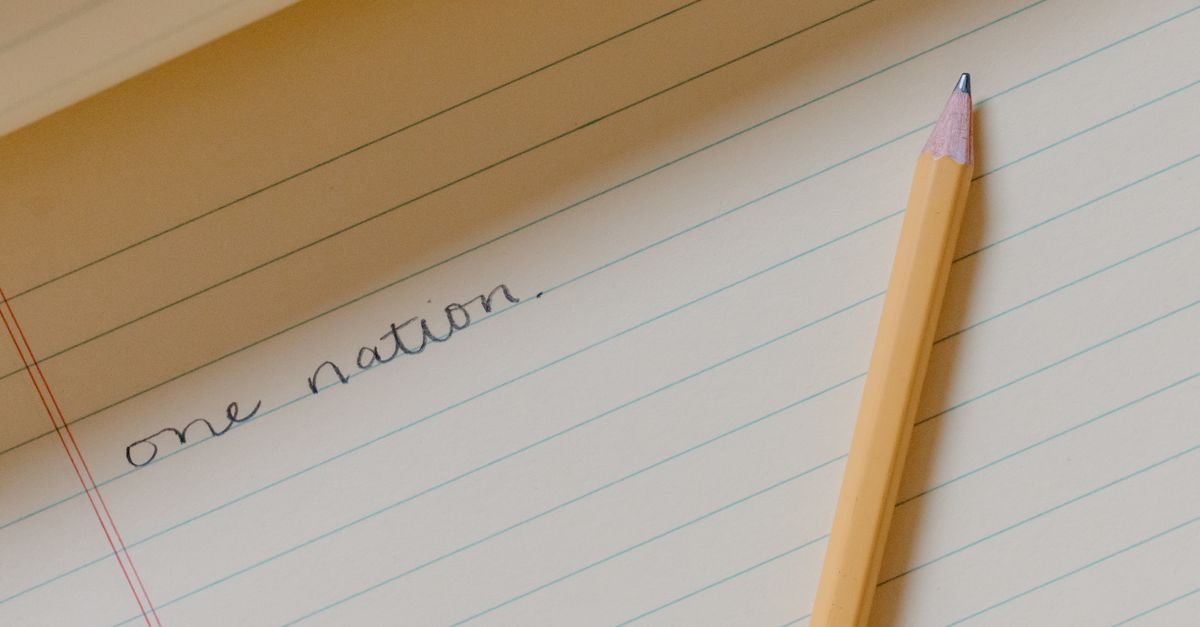
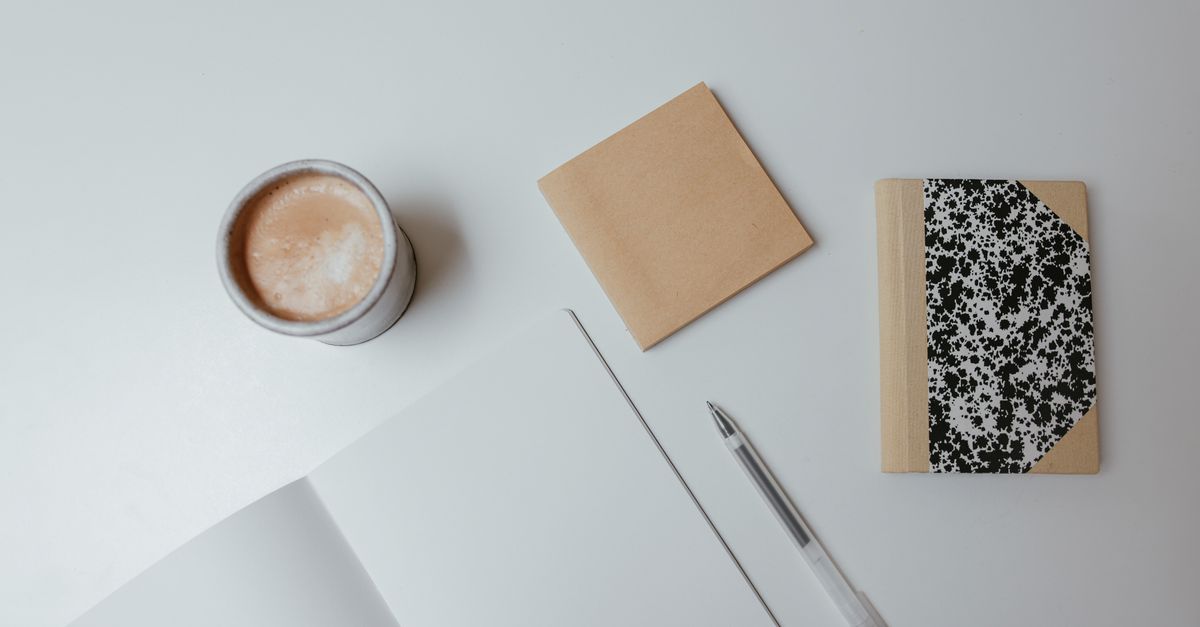
The light comes in from the side and reveals the texture of the paper: the fiber, the grain, the slight rippling left by moisture and use. On the table, a resting pen, paper tapes, and brief notes of three or four words sit together. Nothing is arranged for the photo. That, precisely, is the part that matters.
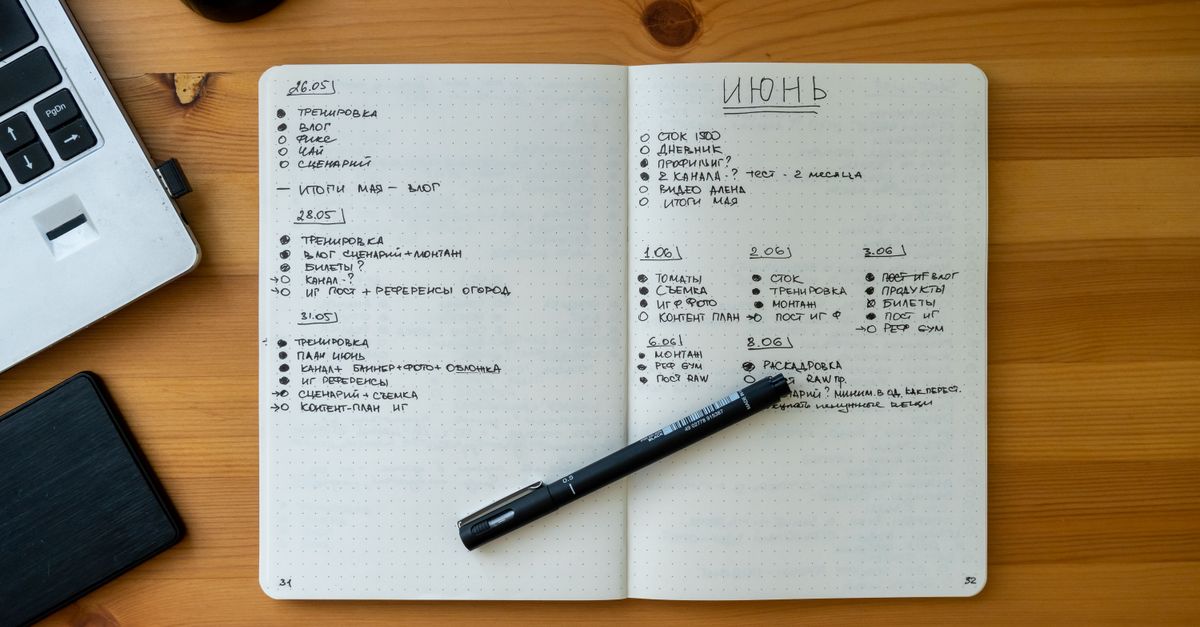
Each notebook has its own rhythm. Some carry a date on every entry, others just a loose line when the day allows it, and others include tiny drawings in the margin: a leaf, a sun, a square that means nothing in particular. The series shows how writing coexists with coffee stains, saved tickets, and folded pages, without any of that ruining anything.
The idea is not to teach a method or propose a closed routine. It is to show that jotting down something brief at the end of the day can be sustained for months without becoming an obligation. When the notebook becomes a task, it is abandoned. When it becomes a small gesture, it holds up. The difference lies in the margin of disorder each person tolerates: writing a single sentence, not correcting it, closing it, and moving on.
On the pages appear phrases of three or four words, without development: the sun in the window, the morning coffee, a short call. There are no grand conclusions. What is seen is the habit, not the result.
After several weeks, the notebook begins to show marks that were not there at the beginning: ink smeared by a drop, the edge worn from so much opening and closing, the numbering that skips a day and picks up again the next. Those marks are part of the record. They are not erased or concealed.
The series does not promise calm or happiness. It only shows an object that accompanies and a simple practice: open the notebook at the same time, write one line, do not correct it. If you want to see how the rest of the series are worked, you can browse the full gallery or write to us from the contact page.
What you see on these pages are used notebooks, not a system to copy. Some have a date on every sheet, others just a loose line when the day allowed it. If someone is looking for a technique with fixed steps, writing rules, or templates to download, they will not find it here. The series shows what exists: smudged ink, crooked margins, and pages that got bent from keeping a receipt in between.
Writing down three good things at the end of the day does not produce automatic calm or change your mood on its own. Nor does it replace a conversation with someone you trust or a professional consultation when one is needed. The notebook is an object that accompanies, nothing more. What appears in the photos is the record of a brief gesture, sustained over months by the decision of the person writing, not by a promise of results.
There are notebooks that start in the middle, others that skip entire weeks and then come back. Some pages were left blank because there was no desire that day. That too is part of what is shown: the real disorder of a habit that is sustained without becoming an obligation. There is no correct way to keep a notebook, and coffee stains or broken corners are not a mistake to be corrected.
The shots that accompany this series illustrate the type of notebook, the side lighting, and the brief note-taking described in the text. They do not correspond to a workshop, a brand, or identifiable people. They were chosen for the texture of the paper, the position of the resting pen, and the way window light reveals the relief of the ink on the page.
There is no sale of notebooks, no subscriptions, and no shipping of kits. There is also no tracking of any kind: this site is an editorial gallery and limits itself to showing series and brief notes. If you want to write to us, the contact form only sends a message and confirms technical receipt on the thank-you page. There is no response within a fixed time frame and no confirmation by email.
Editorial space and visual gallery
For inquiries about the gallery material, write to team@rejoiceyourlife.com.
Open pages, ink, and worn margins. This series shows notebooks that have been on the nightstand for months: some with a date on every page, others with a single loose line, almost all with a coffee stain or a folded receipt between the pages. The light comes in from the side and reveals the texture of the paper, the worn corners, and the quick stroke of someone writing at the end of the day. There is no method to follow and no model notebook: only the gesture of jotting down something brief and leaving it there, without correcting it.