Handmade ceramic cups
Records of objects used every day

What to look at in each cup
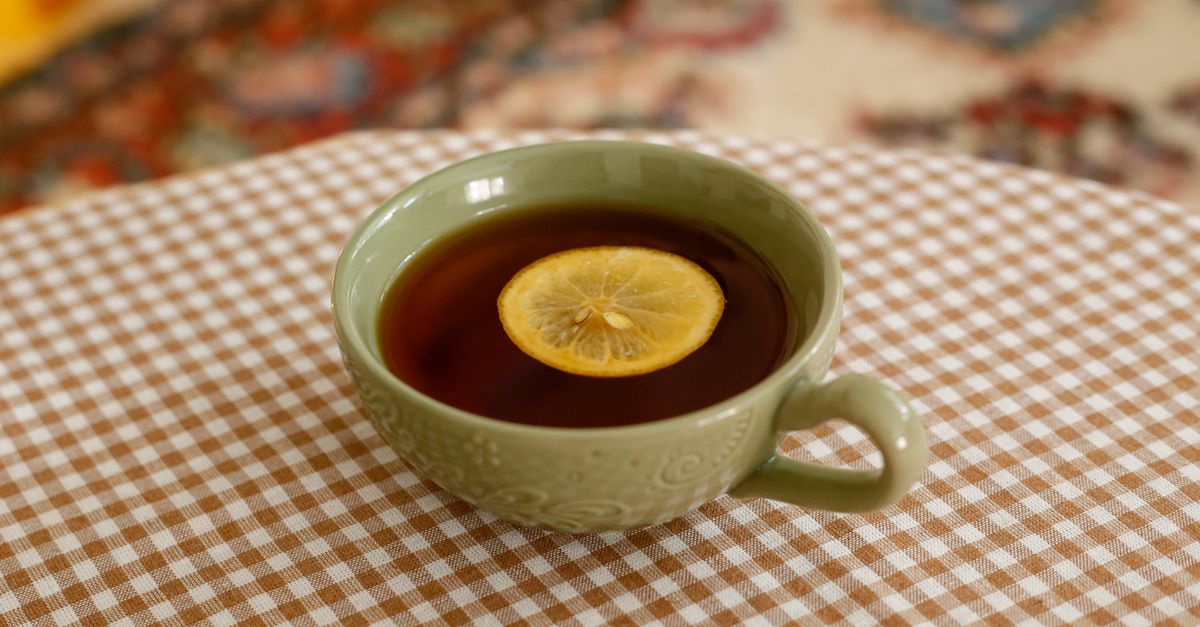
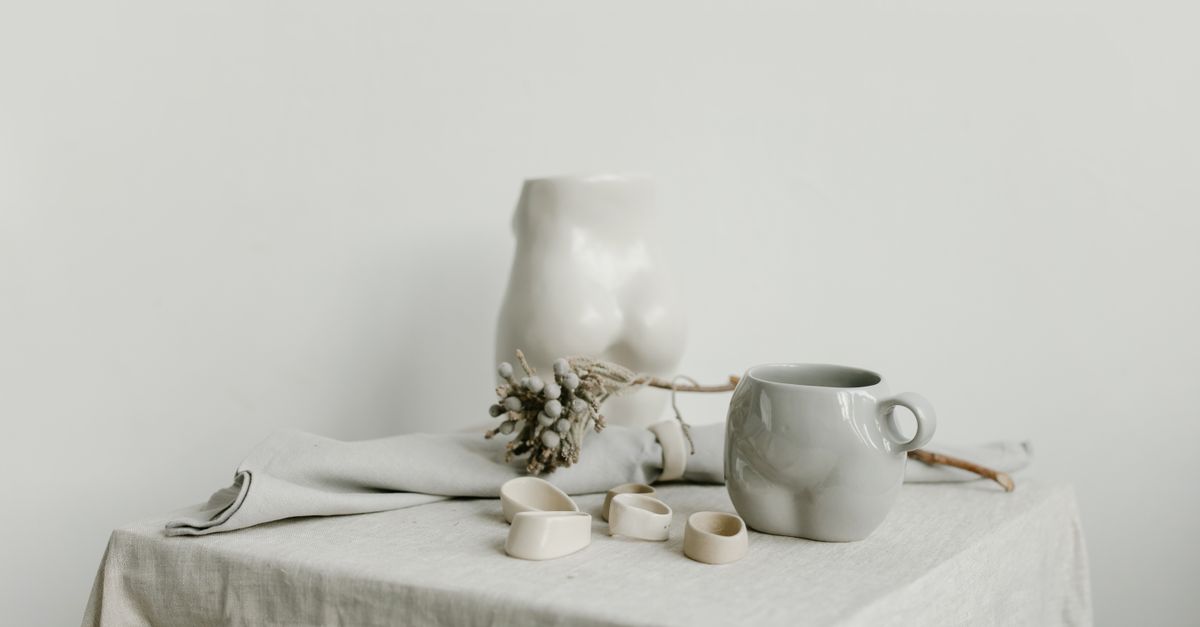
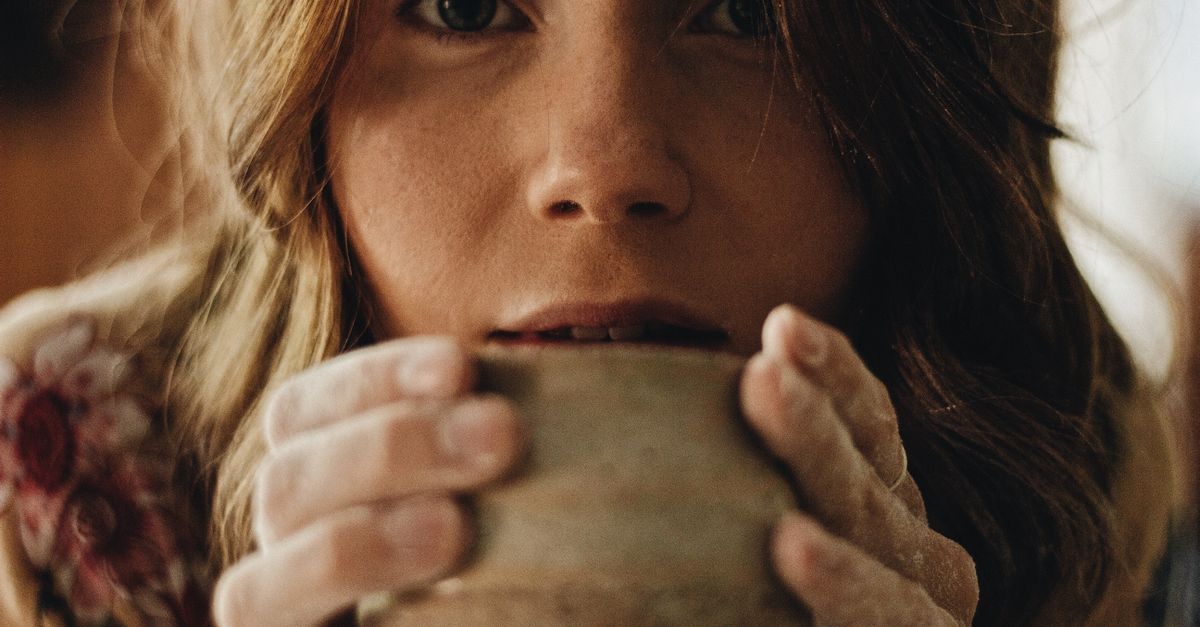
Each record describes a specific cup, not a generic model. It notes how it feels to hold it with both hands, whether the rim is thin or thick, whether the body keeps heat longer than expected, and how it sounds when set down on the table. The glaze in cream, olive, and terracotta tones reveals the marks of the wheel: small ripples that can be felt when running a thumb along the wall. With use, its own marks appear, a fine crack near the handle, a stain that no longer comes out with water.
The series shows the cups on wooden tables, next to a window or on a light tablecloth, with a wooden spoon resting beside them. There is no workshop or sale behind these images: only the object, its texture, and the gesture of holding it. The invitation is simple: choose a cup, use it only for a hot drink for one week, and notice its weight, its temperature, and the way the hand settles on its own.
What is learned by looking closely
Paying attention to an object used daily changes the way you pick it up. A cup with a thick rim invites slower sips; a thin-walled one cools sooner and forces you to drink faster. That minimal difference is what the cards record, without grand conclusions. If you want to continue with other series in the same tone, you can see the gallery series or write to us from the contact page.