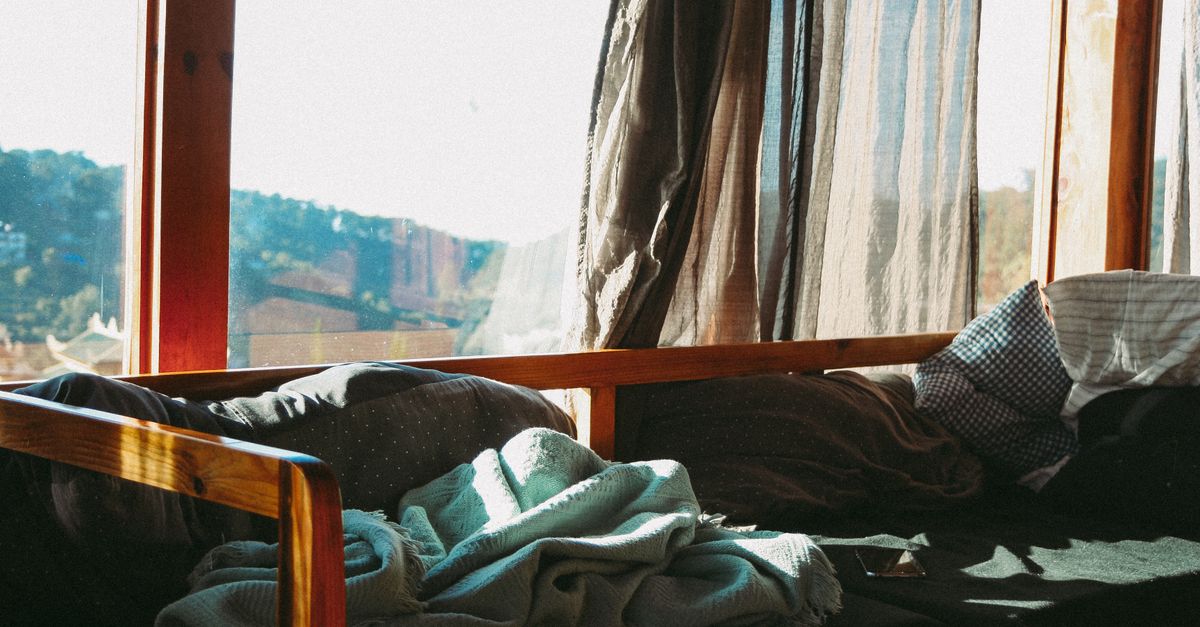
Chairs, blankets, and low light at the end of the day
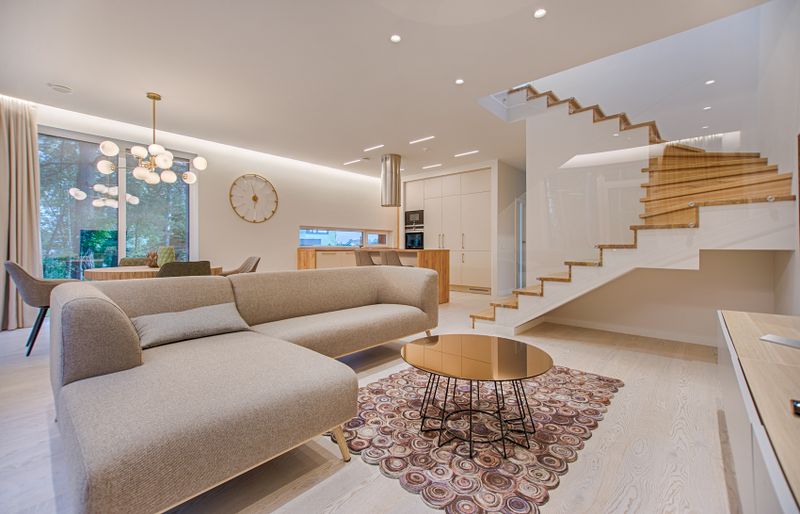
The corners that appear in the series require no renovations or new furniture. It is enough to clear a corner, add a warm light, and leave something to read. The photos show how that spot looks at different times and what changes when the phone is turned off. The idea is simple: set aside one spot in the home to do nothing for a while.
The object cards mention cotton blankets, linen cushions, warm-light lamps, and wooden trays. Each piece serves a specific purpose within the corner: the blanket for cool nights, the cushion to support your back, the tray to hold the cup and the notebook without mixing them with other things in the home. There is no catalog or mandatory shopping list; only what appears in the shots and how it is used is noted.
The short notes that accompany the series suggest setting aside ten minutes without screens, leaving the phone in another room, breathing slowly, and writing a single sentence about the day. None of this works as therapy or as a diagnosis: it is a domestic, repeatable practice that each person adjusts to their own pace. If it is not done one day, nothing happens.
As the weeks go by, the corner stops being just another piece of furniture and becomes a recognizable place within the home. The chair stays in the same position, the blanket is folded when finished, the lamp is turned on at the same time. That repetition does not seek strict discipline, but rather to mark a point of reference at the end of the day, when there are no pending tasks left and the body asks to slow down.
The series also records what does not work: corners too cluttered with objects, white lights that cut through the calm, uncomfortable chairs that are abandoned within a week. Those details appear in the photos and in the notes because they are part of the real process. Adjusting the corner is as important as setting it up the first time.
If you want to see how this series connects with the rest of the gallery, you can browse the published projects or write to us from the contact page to share your own corner.
Before looking at the photos, it is worth clarifying the framework. These corners are domestic and homey: they are not a clinic, nor a spa, nor a treatment. The series documents a small, repeatable gesture; it does not promise guaranteed relaxation or restful sleep.
What a corner of calm is
A clear corner with a chair, a blanket, and warm light. Nothing more. There is no need to buy furniture or renovate anything.What it is not
It is not therapy, nor diagnosis, nor professional support. If something that appears here resonates with you as a health matter, that is something to discuss with the appropriate person, not with a gallery.About the phone
The idea is to leave it in another room during that time. We do not measure how much it helps or how long it takes to notice: we only show how the scene changes when the screen is not there.The photos and the objects
The images are illustrative of the series. The cotton blankets, linen cushions, warm-light lamps, and wooden trays mentioned are usage references, not products sold here.How long the pause lasts
Ten or twenty minutes are enough as a starting point. There is no right number or expected result. If one day it doesn't happen, nothing breaks.What you can take away
A concrete idea to try this week at home. You watch, keep what works for you, and adapt it to your space, without rigid recipes.Editorial space and visual gallery
If you want to write about this series or share how your own corner turned out, you can use the contact form. The site does not offer accounts, subscriptions, or order tracking.
Chairs, blankets, and low light at the end of the day. The series doesn't call for renovations: it shows how a clear corner, a warm lamp, and something to read change how a moment at home is used.
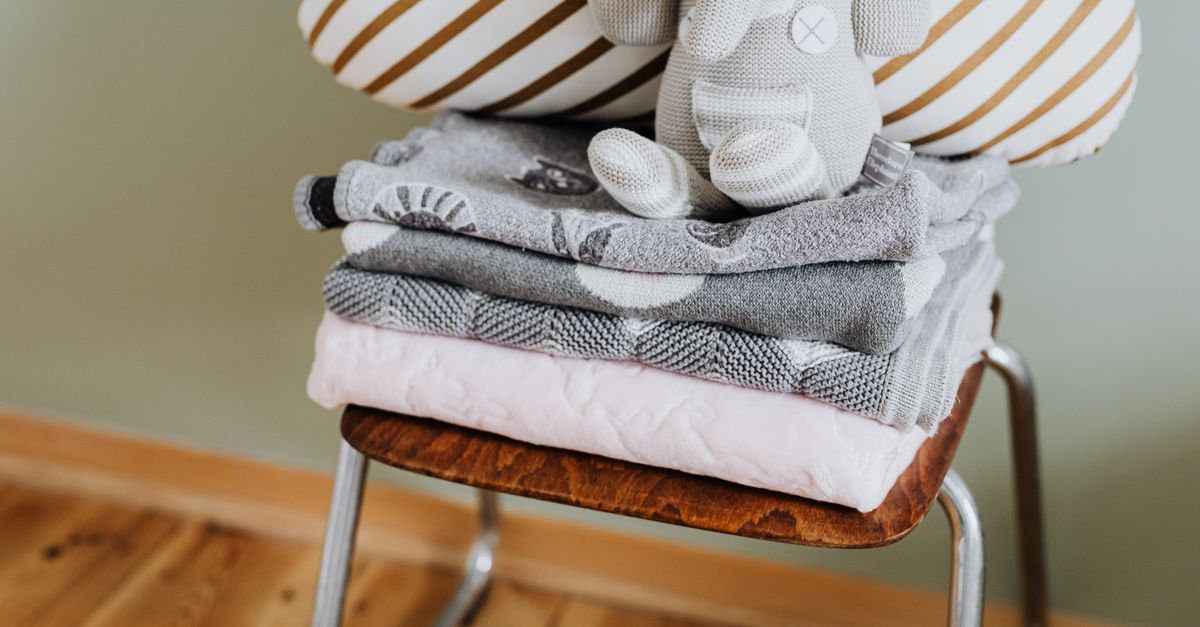
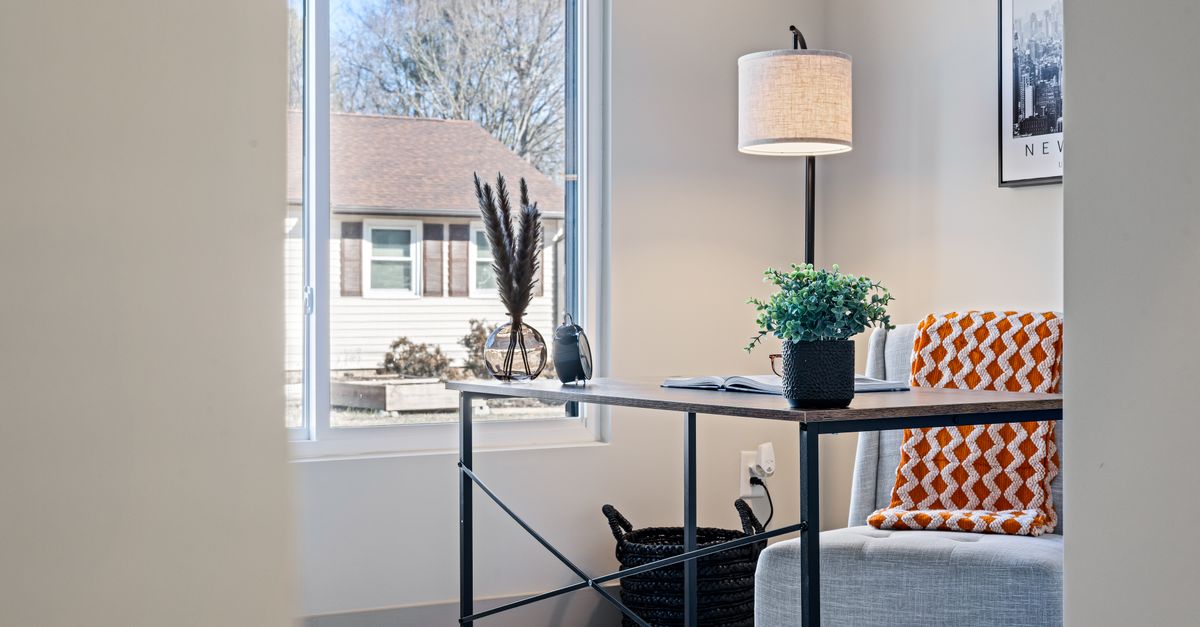
A wooden chair pulled away from the desk, with the blanket folded on top. Nothing more is needed: the spot is reserved for sitting and doing nothing.
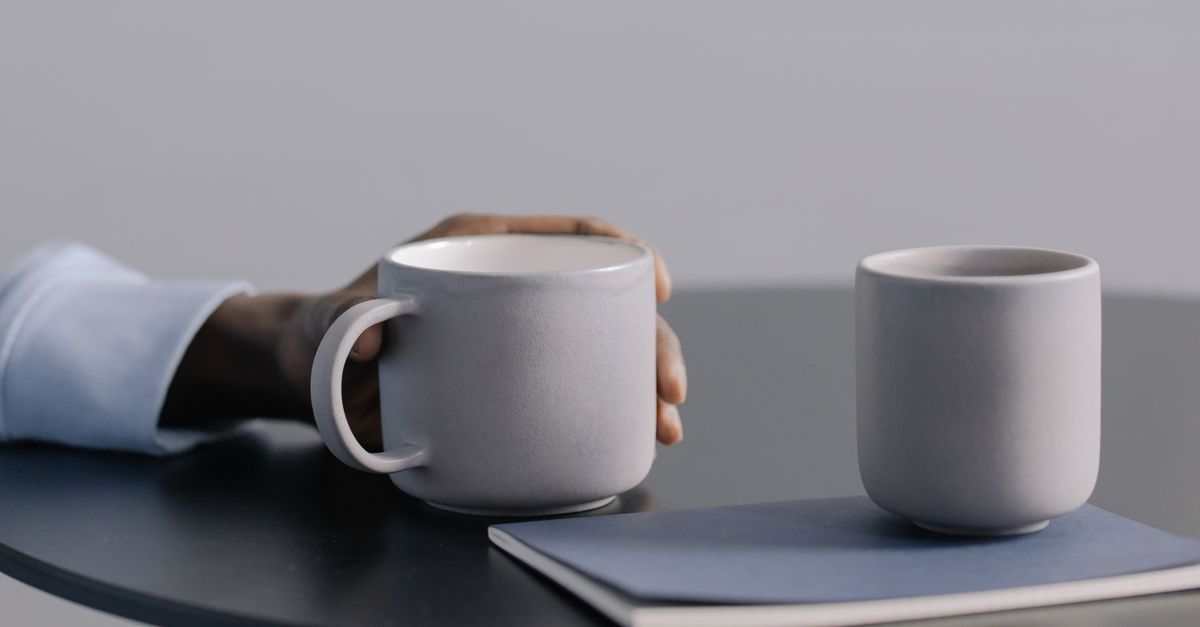
A ceramic cup, a closed notebook, and nothing else on the table. The idea is for the phone to stay in another room before sitting down.
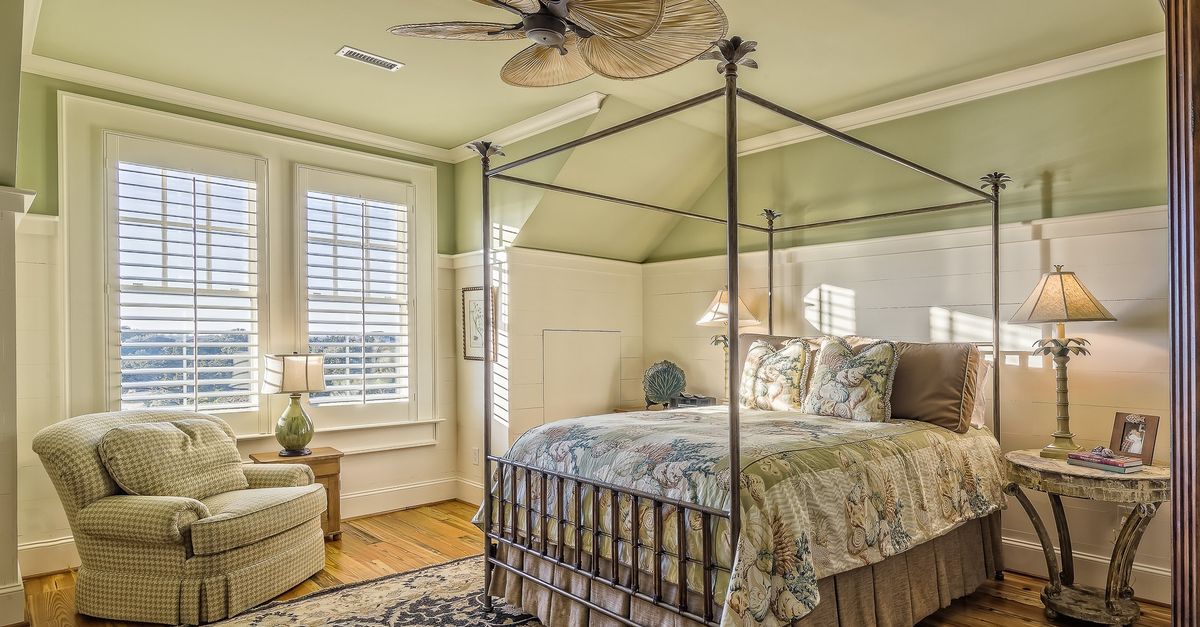
The low light changes the tone of the corner as soon as it's turned on. The small rug marks where the rest of the home ends and the pause begins.
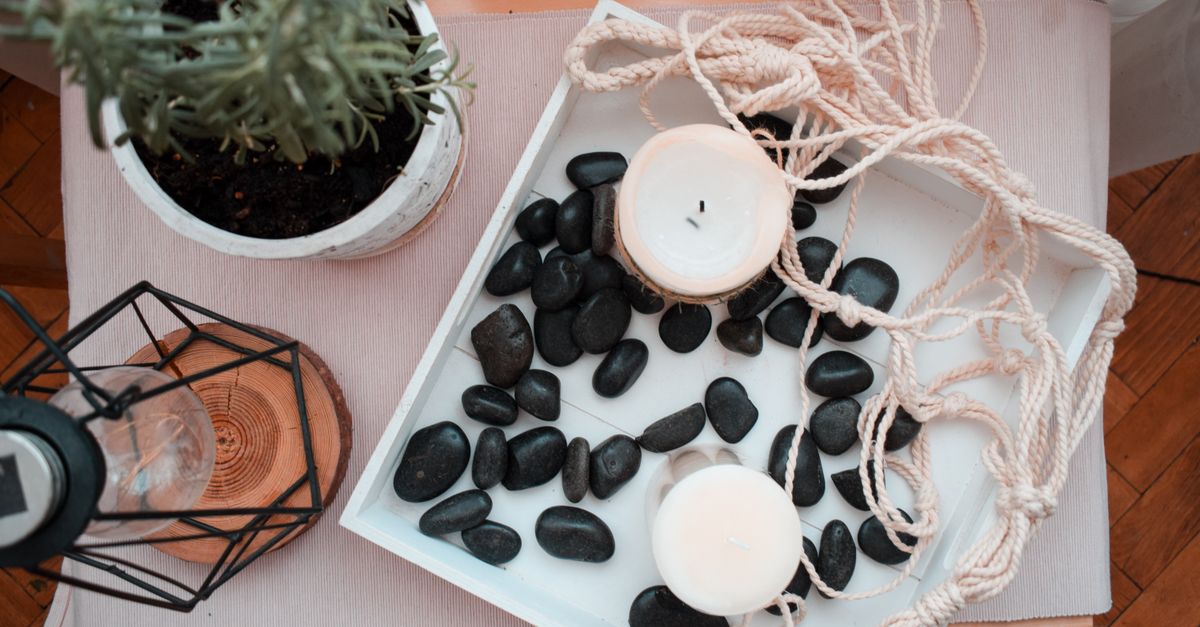
An unlit candle and a smooth stone are enough to give the nook its identity. They are objects that require no maintenance and sustain the ten-minute screen-free routine.
Simple textiles, without bold prints. The blanket is folded when finished and the cushion returns to its place: the corner tidies itself with just two gestures.
The tray organizes what is brought to the nook: a cup, a book, and little else. When it is lifted, it becomes clear that the moment is over and the home carries on.