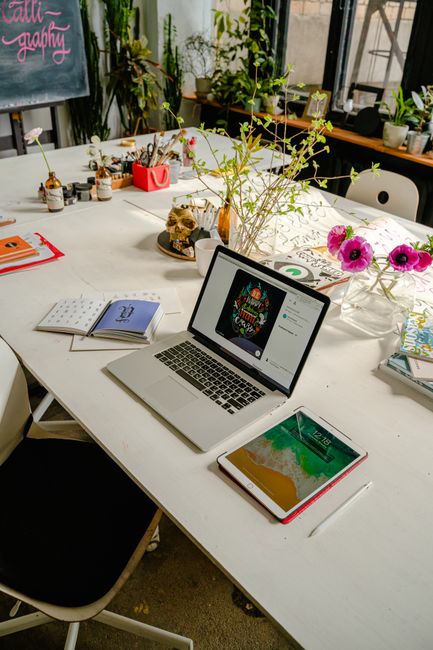
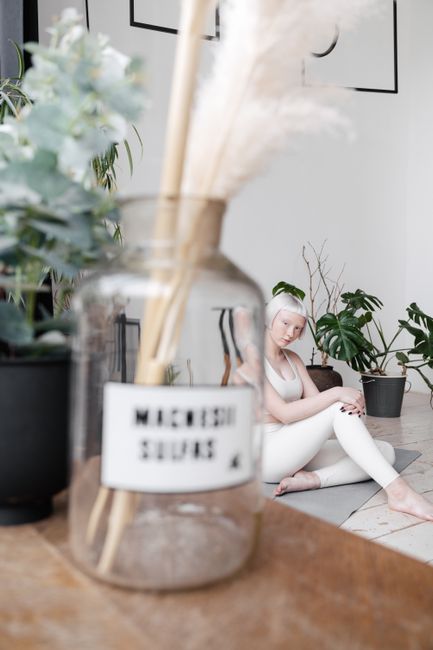
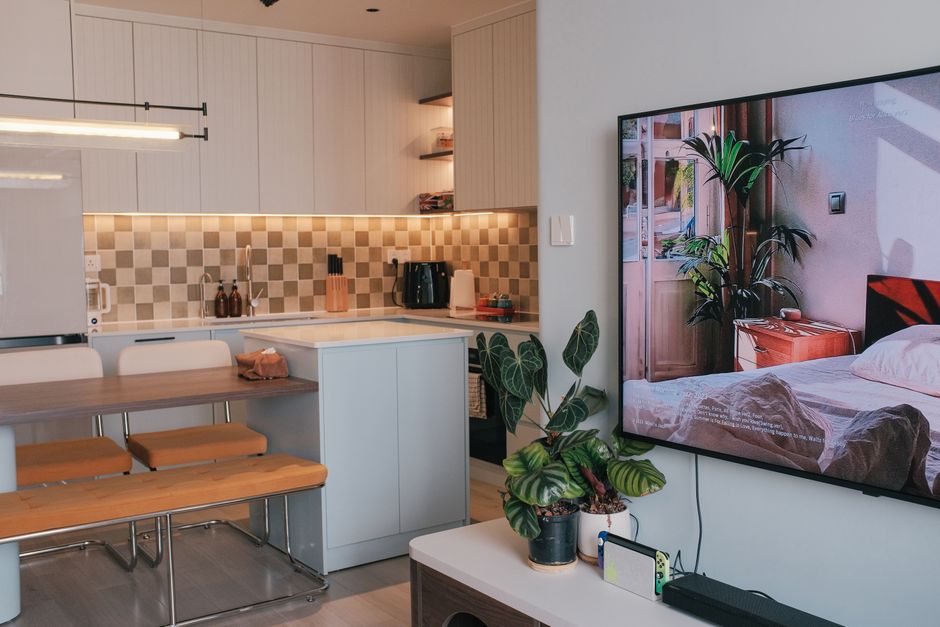
Corners of a home where something green grows
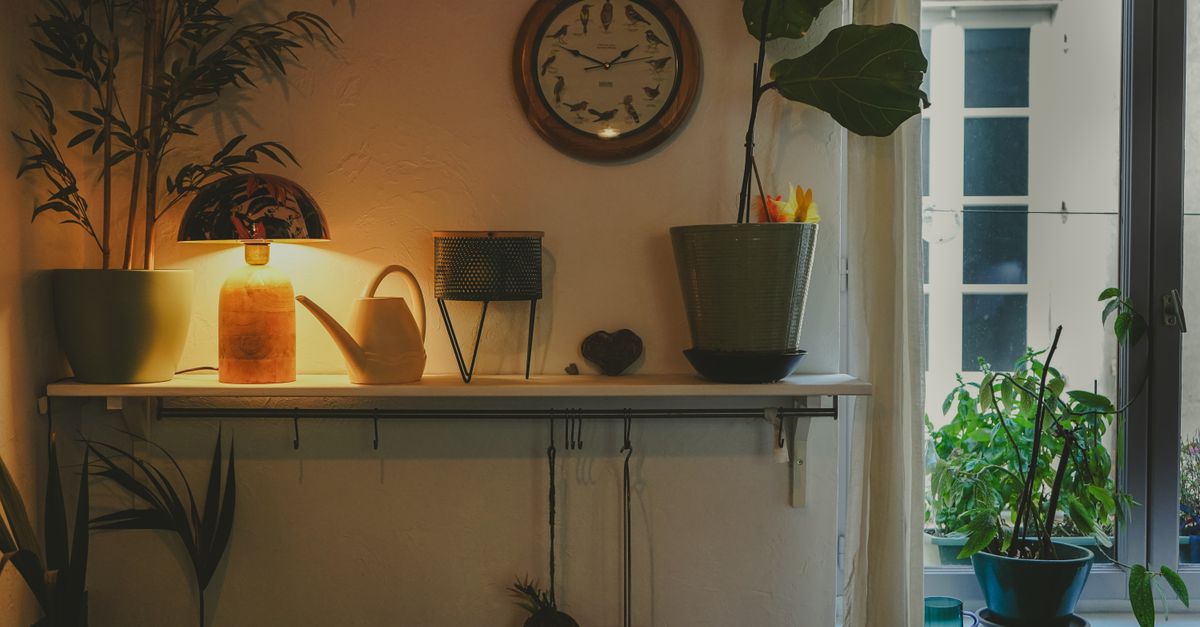
The series brings together corners where ferns, pothos, snake plants, and an occasional monstera live side by side. There is no ideal garden or list of mandatory species: what is noted is how much light each spot in the home receives, how often it is watered, and what signs the leaves show when something is missing. A clay pot next to the dining room window, a shelf with three small pots, a chair with a hanging plant beside it. The idea is simple: to observe how a plant changes the mood of a room without needing to renovate anything.
The object cards describe ceramic pots, clay plates, metal watering cans, and pruning shears. The short notes talk about checking the soil moisture with your finger before watering, turning the pot every week so it grows evenly, wiping dust off the leaves with a damp cloth, and choosing a corner with indirect light. Each section invites you to look, keep an idea, and try it that same week. No diagnoses, treatments, or professional advice are offered.
If you want to see how an object card is put together, you can stop by the series gallery or write to us from contact.
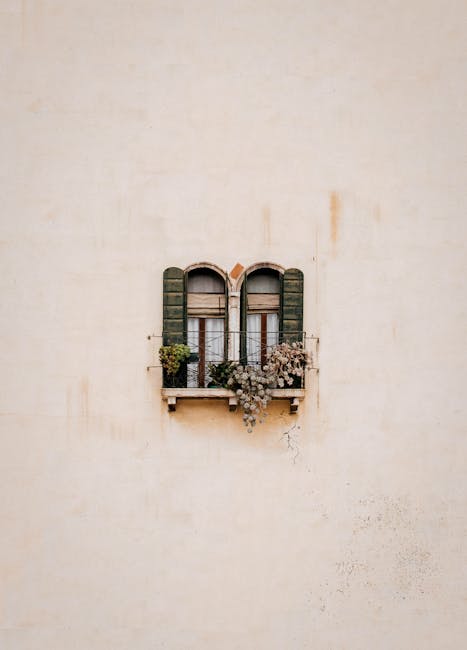
Before looking at the green corners, it is worth clarifying what is being seen and what is not. There is no catalog here, no diagnosis, no recipe that works the same in every home.
The notes describe what happens in specific corners: how much indirect light a pot next to the dining room window receives, how often it is watered depending on the season, how the soil looks once it has gone past the point. There are no universal instructions or mandatory species. If a sansevieria thrives in a dark hallway, that is what gets noted, even if another corner calls for something else.
It is not claimed that a plant will bloom, purify the air, or improve anyone's health. The only thing observed is how the mood of a space changes when there is something green in it: a broad leaf filtering the afternoon light, a shelf with three small pots, a chair with a hanging plant beside it. The rest is left out of this series.
The pieces speak of ceramic flower pots, clay dishes, metal watering cans, and pruning shears that already show signs of use. They are not display pieces or products for sale. It describes how they feel to hold, how they sound when set down, and what traces the years leave. None of that is offered as a service.
This space does not provide diagnoses, treatments, or professional support. There are also no accounts, subscriptions, or bookings. If anything shown here helps you try a small change this very week, it has already served its purpose. The rest is worked out in each home, with whatever light it has and whatever time is available.
Gallery series
Editorial space and visual gallery
Home corners where something green grows
The series gathers corners where ferns, pothos, snake plants, and an occasional monstera live together. Practical details are noted: how much light each corner receives, how often it is watered, what signs the leaves show when something is missing. There is no ideal garden or list of mandatory species, only the observation of how a plant changes the mood of a room.
Light comes in from the side for almost the whole afternoon. The soil is checked with a finger before watering, to avoid adding water to still-damp substrate.
A monstera in a corner of the living room changes the tone of the room when the sun hits directly. A damp cloth is passed over the leaves every so often so that dust does not dull their shine.
Sansevierias and pothos that ask for almost nothing. Turn the pot a quarter turn each week so the stem doesn't always lean toward the same side.
The fern hangs near the bathroom window, where there is more humidity. If the tips turn brown, it is a sign that the air has become too dry.
The objects that go with watering live in the same corner: a long-spout watering can and some shears for cutting dry leaves. Nothing more complicated than that.